DAWG Colloquium with Dr. Meghan Howey - The Shock of Colonialism in New England
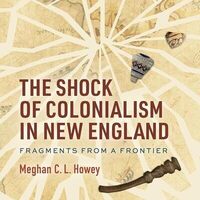
The Shock of Colonialism in New England: Fragments from a Frontier. DAWG Colloquium with Dr. Meghan C. L. Howey, Professor of Anthropology, University of New Hampshire.
DAWG Talk with Meghan Howey - The Shock of Colonialism in New England: Fragments from a Frontier
In this talk based on her recent book, The Shock of Colonialism in New England: Fragments from a Frontier, archaeologist Dr. Meghan C. L. Howey shares her research on the seventeenth-century colonial frontier of the Great Bay Estuary/P8bagok through the Great Bay Archaeological Survey (GBAS). Combining archaeological excavations, archival research, collaboration with contemporary Indigenous knowledge keepers, and community engagement, GBAS’s work has revealed this landscape holds forgotten stories of what it meant for everyday people to live through the global shock of colonialism. This includes unexpected diversity and dynamism among English colonists, multifaceted encounters with Indigenous peoples, the overlooked presence of enslaved Africans, and lasting environmental damage from labor-intensive extractive industries. There is a race against time to find more of these hidden stories as sea-level rise is, quite literally, washing the material evidence of them away.
Meghan C.L. Howey, Professor of Anthropology and in the Earth Systems Research Center and Director of the Center for the Humanities at UNH, is a community-engaged anthropological archaeologist interested in past cultural landscapes and early colonialism. She received her B.A. (2000) from the University of Delaware and her M.A. (2002) and Ph.D. (2006) from the University of Michigan. She has conducted research in North America, Europe, and East Africa. Her first book explored the ceremonial landscapes of ancestral Anishinaabeg peoples in the northern Great Lakes in the period just before colonial encounter (ca. AD 1200-1600). Geographic Information Systems (GIS) analysis, ethnohistoric research, collaboration with Indigenous knowledge keepers, and interdisciplinary work with earth scientists enhance her research. Her most recent project, the Great Bay Archaeological Survey (GBAS), began during her time as the James H. Hayes and Claire Short Hayes Professor of the Humanities and continues today, as she and her team keep exploring overlooked stories of our shared past embedded in place. She shares some of this work in her recent book, The Shock of Colonialism in New England: Fragments from a Frontier.